The cuticle is a small strip of skin, but it does an outsized job: it seals the base of the nail against bacteria and moisture loss. Most cuticle 'care' advice online actually damages that seal. Here's what to do instead.
Do: oil, daily if you like
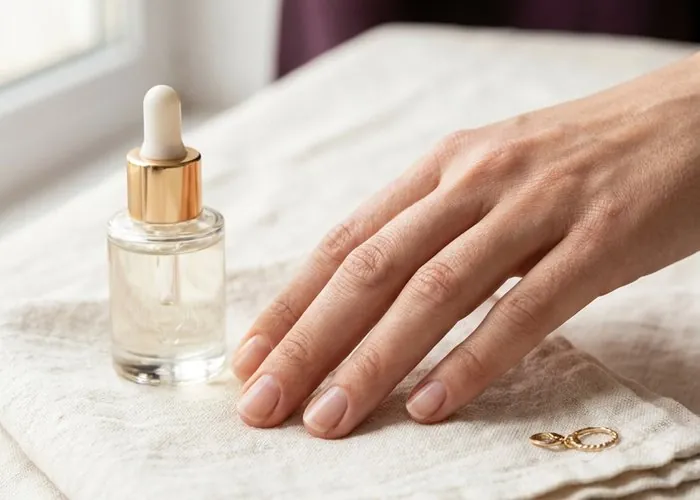
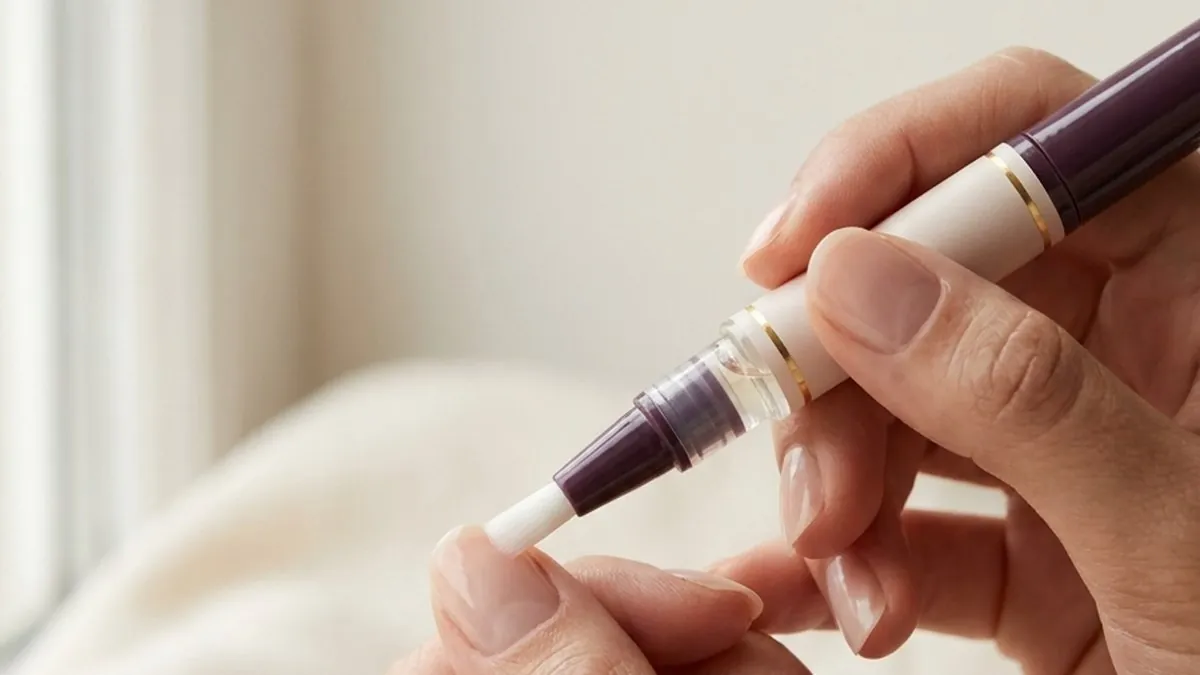
Cuticle oil is the one product in this entire niche that's genuinely hard to overuse. It keeps the skin flexible, which prevents the small tears that turn into hangnails.
Do: push, don't cut
A soft-tipped tool, used after oiling, gently eases the cuticle back without breaking the seal. This is the safest way to get a clean, tidy nail base.
Skip: cutting cuticles with scissors
Cutting live cuticle tissue (as opposed to trimming a hangnail) removes the seal entirely and is one of the most common causes of infection and slow-healing irritation around the nail.
Skip: aggressive cuticle removers
Strong chemical removers can over-soften the surrounding skin, leading to more hangnails in the following days, not fewer.
The hangnail exception
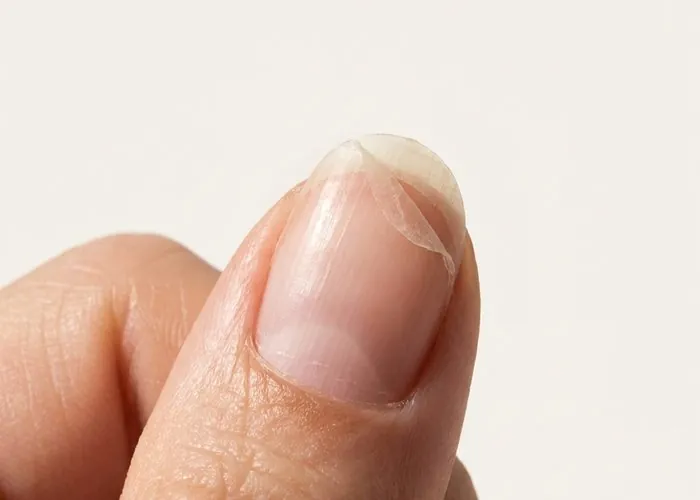
A hangnail — the small torn piece of skin, not the cuticle itself — should be trimmed close with sharp, clean scissors and immediately followed with oil. Picking or biting it off tears further into healthy skin.
Save this before your next at-home manicure — it's the two-minute difference between healthy and irritated cuticles.
Found this useful? Save it to Pinterest so you can find it again — and follow Nail Glow Lab for a new guide every few days.
Frequently asked questions
Is it bad to never touch cuticles at all?
No — oiling alone, without pushing back, is a perfectly healthy minimal routine.
How often should cuticles be pushed back?
Once or twice a week is plenty for most people.
Why do my cuticles keep cracking in winter?
Low humidity dries the skin faster than it can recover — daily oil and a thicker hand cream at night help most.