Nail biting is one of the most common habits people want to break, and also one of the hardest, because it's usually tied to stress or boredom rather than the nails themselves. This is a step-by-step approach that treats it like the habit it is, not a willpower failure.
Why Willpower Alone Doesn't Work
Nail biting is often an automatic response to a trigger — anxiety, concentration, boredom — which means it happens before you consciously decide to do it. Relying on "just stop" ignores the trigger and sets you up to feel like you failed.
Step 1: Track Your Triggers For One Week
Keep a note on your phone and jot down the situation each time you catch yourself biting: on a call, watching TV, studying. Patterns usually emerge within a few days, and naming the trigger is the first real step to interrupting it.
Step 2: Make Biting Physically Harder
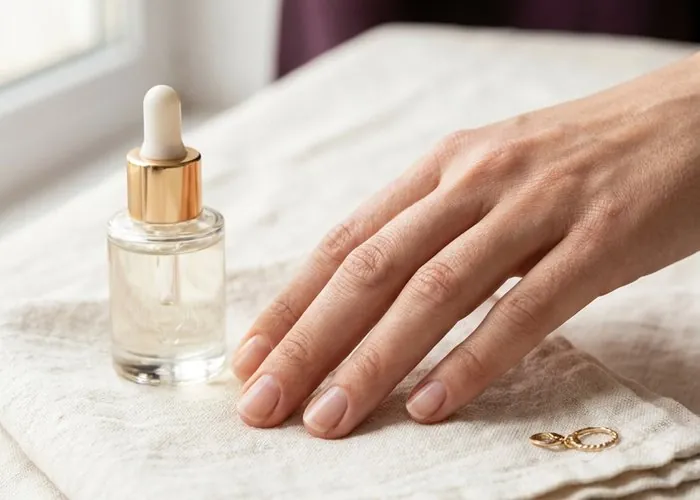
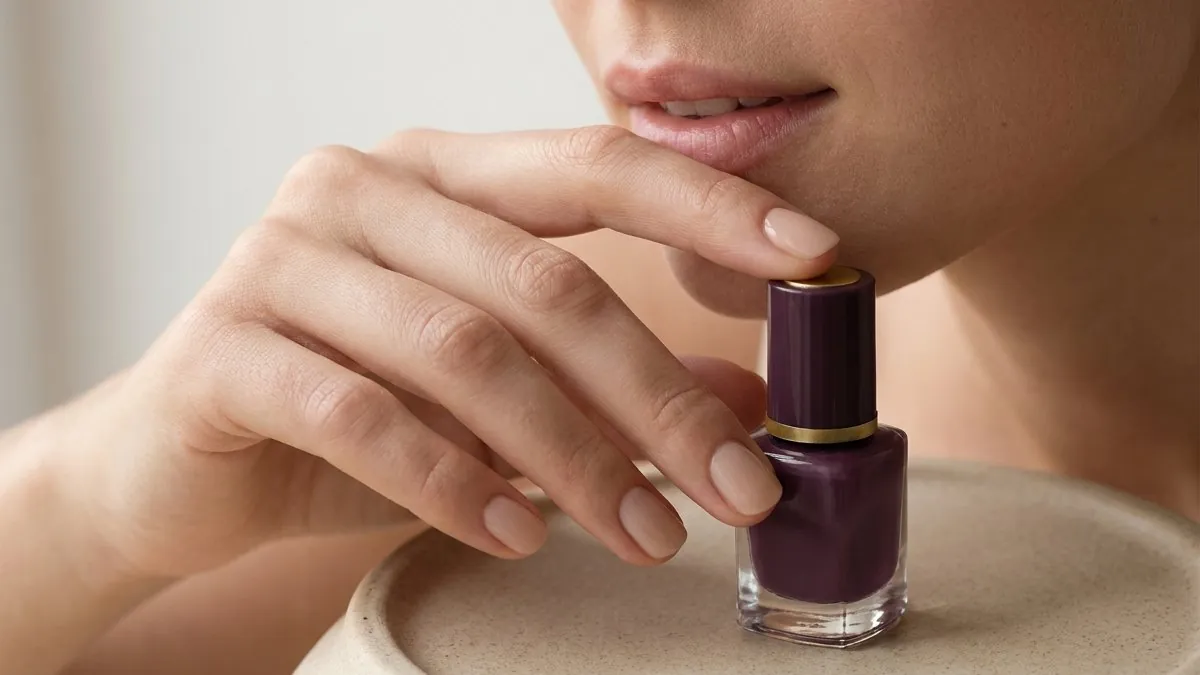
A bitter-tasting nail polish (widely sold specifically for this) creates an immediate, unpleasant deterrent. Keeping nails freshly filed with no rough edges also removes the small snags that often start a biting session.
Step 3: Give Your Hands A Replacement Habit
During identified trigger moments, hold something else — a pen, a stress ball, or simply clasp your hands together. Replacing the motion is more effective long-term than only trying to suppress it.
Step 4: Reward Growth Milestones, Not Perfection
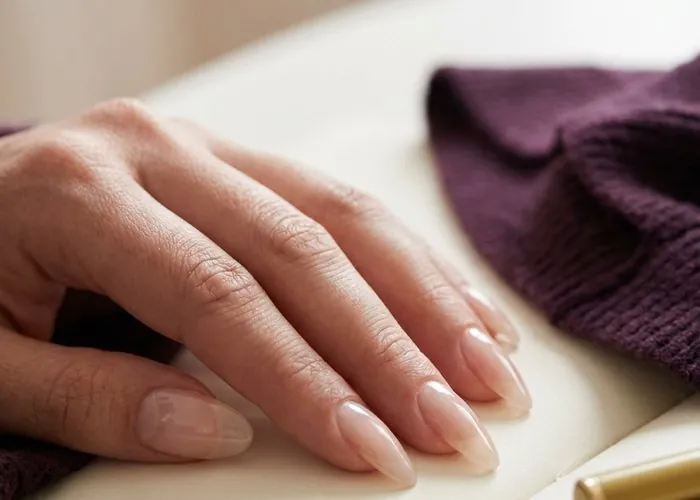
One relapse doesn't undo progress. Track visible growth weekly instead of aiming for a perfect streak, and treat small wins (like a full week without biting one specific finger) as real progress.
What To Do After A Relapse
Reapply bitter polish immediately rather than waiting for a fresh start on Monday. The sooner the deterrent is back in place, the smaller the relapse stays.
Save this plan for the next time a stressful week puts your hands back near your mouth.
Found this useful? Save it to Pinterest so you can find it again — and follow Nail Glow Lab for a new guide every few days.
Frequently asked questions
How long does it take to break a nail biting habit?
Most habit research points to roughly 6 to 10 weeks of consistent replacement behavior, though it varies a lot by person and trigger frequency.
Does bitter nail polish actually work?
For many people yes, especially combined with trigger tracking. On its own it treats the symptom, not the underlying trigger, which is why pairing it with a replacement habit works better.
Can nail biting cause lasting damage?
Frequent biting can affect nail bed shape, cause infections around the cuticle, and wear down the free edge unevenly. Most cosmetic damage grows out once biting stops.
Is nail biting linked to anxiety?
It's commonly associated with stress and anxiety, but it can also simply be a boredom or concentration habit. Tracking your own triggers is the only reliable way to know which applies to you.