The nail strengthener aisle is full of bottles promising overnight miracles, and most of them can't keep that promise. This is a plain breakdown of which strengthening treatments have real evidence behind them, which ones are mostly marketing, and how to actually test whether a product is working on your own nails before you buy a second bottle.
Why Nails Get Weak In The First Place
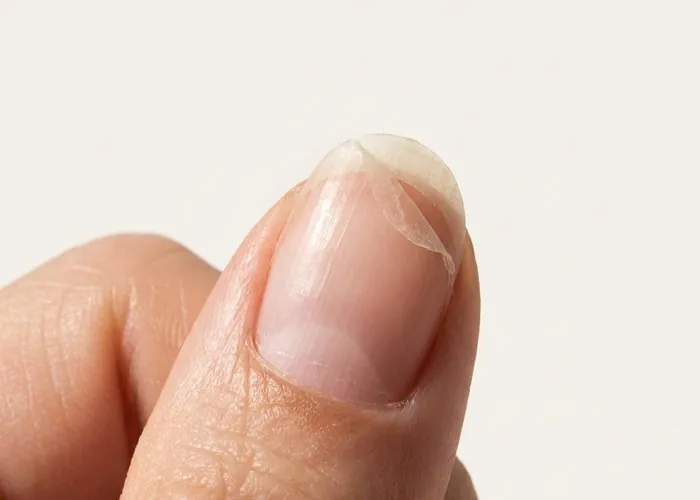
Before treating weak nails, it helps to know what's causing it. The most common everyday culprits are frequent wetting and drying (dishes, hand washing), harsh polish removers, and back-to-back gel or acrylic sets without a break. Less common causes include thyroid issues and iron deficiency, which is why nails that don't improve after a few months of good care are worth mentioning to a doctor.
Keratin-Bond Hardeners: What They Really Do
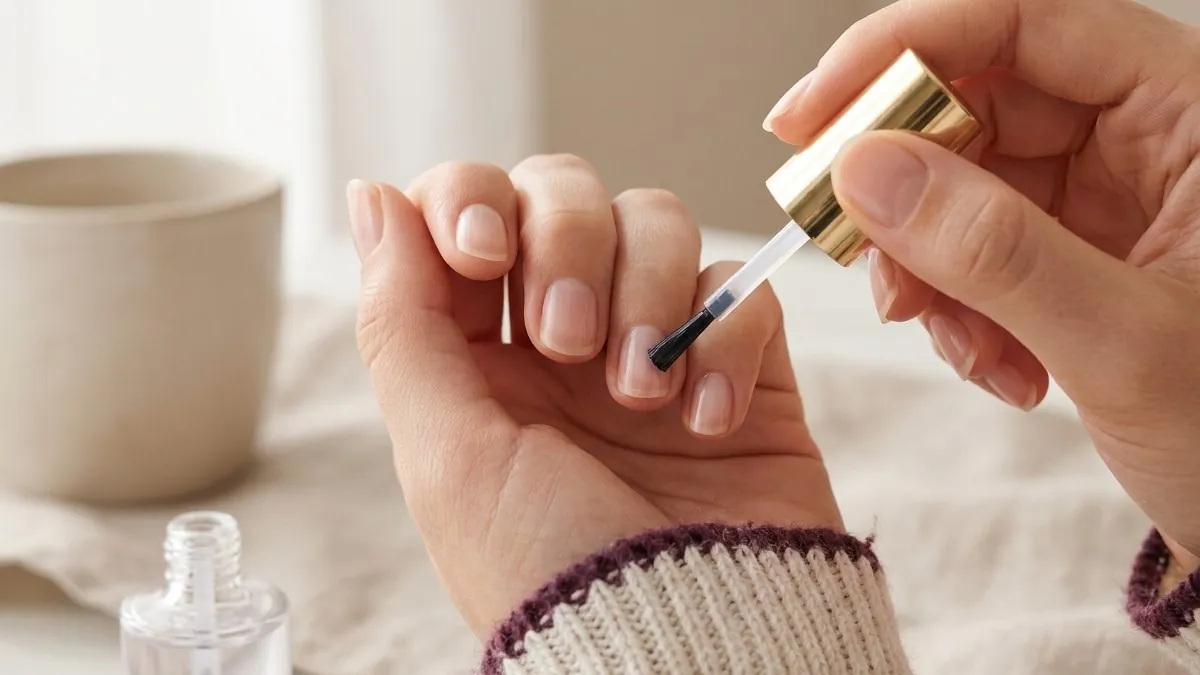
These formulas work by temporarily cross-linking the keratin fibers in the nail plate, which makes the nail feel firmer and less flexible. They can genuinely reduce splitting for some people, but the effect is surface-level and temporary — it wears off as the treated layer grows out, so consistency matters more than any single application.
Formaldehyde-Free Strengtheners vs Old-School Hardeners
Older hardeners relied on formaldehyde, which strengthens nails but can also make them more brittle and prone to cracking with long-term use. Most modern strengtheners swap this for gentler film-formers, which is a better long-term choice even if the effect feels slightly less dramatic at first.
Nail Oil: The Underrated Strengthening Step
Oil doesn't harden the nail plate the way a treatment polish does, but it addresses a different problem: dehydration, which is what makes nails brittle and prone to peeling in the first place. Applying it daily to the cuticle and the underside of the nail tip is one of the few habits with consistently good anecdotal and dermatological support.
The 2-Week Test That Tells You If A Product Is Working
Pick one nail on your non-dominant hand as a control and leave it untreated. Use the new product on the rest for two weeks, then compare. If you don't see or feel a difference between the treated and untreated nail by then, the product likely isn't doing much for you specifically — nail products are surprisingly individual.
A Simple Strengthening Routine You Can Start Tonight
Keep it to three steps: a gentle, acetone-free remover when you take off polish, cuticle oil applied every night, and a base-coat-only week once a month to let nails breathe. Add a keratin-bond treatment on top only if the 2-week test above shows it's actually helping.
Save this so you have the routine on hand before your next manicure.
Found this useful? Save it to Pinterest so you can find it again — and follow Nail Glow Lab for a new guide every few days.
Frequently asked questions
How long does it take for a nail strengthener to work?
Most people notice less splitting within 2 to 4 weeks, but a fully strengthened, healthy-looking nail takes a full growth cycle of 3 to 6 months.
Can nail strengtheners make nails worse?
Yes, particularly formaldehyde-based hardeners used continuously without breaks, which can over-harden and make nails more brittle over time.
Do I need a strengthener if I already use cuticle oil?
Not necessarily. Oil addresses hydration, which is often the bigger issue. Many people only need a strengthening polish during a specific rough patch, not year-round.
Is biotin the same as a nail strengthening treatment?
No, biotin is an ingested supplement while strengtheners are topical polishes. They work differently and are often used together rather than as substitutes.