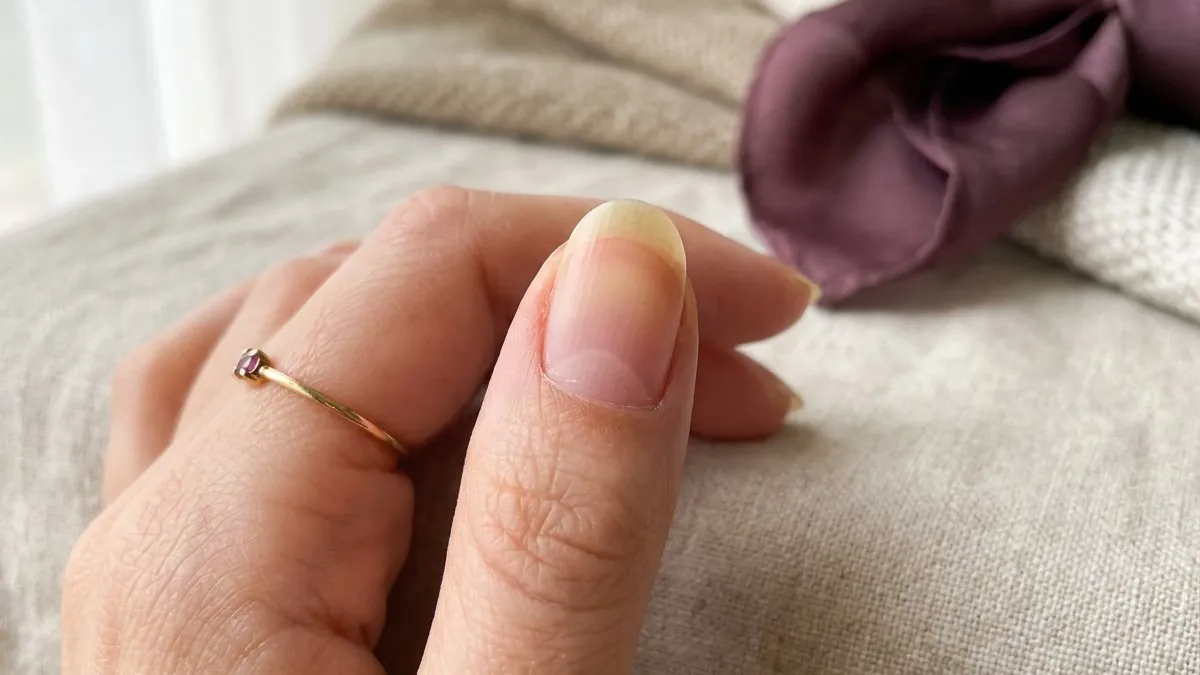
Yellow nails are one of the most common cosmetic complaints, and in most cases the cause is far simpler than people assume. This is an educational overview of the common causes and a realistic fix — it isn't medical advice, and stubborn discoloration with thickening or crumbling should be checked by a doctor since it can indicate a fungal infection.
Polish Staining (The Most Common Cause)
Dark and bright pigmented polishes, especially reds, can stain the nail plate when applied directly without a base coat. This staining sits on the surface of the nail and is completely cosmetic.
Base Coat: The Fix Most People Skip
A clear base coat creates a barrier between pigment and the nail plate. It's the single easiest way to prevent future staining, and skipping it is the number one reason polish-related yellowing keeps coming back.
Whitening Soaks That Are Gentle On Nails
A short soak in diluted lemon juice or a denture-cleaning tablet dissolved in water can lift existing surface stains gradually over a few sessions. Keep soaks brief since acidic solutions are also drying.
Buffing: How Much Is Too Much
A gentle buff with a fine-grit buffer can even out surface staining, but over-buffing thins the nail plate and makes it more prone to peeling. Once every couple of weeks, lightly, is enough.
Other Causes Worth Knowing About
Smoking, certain medications, and some at-home self-tanners can also cause yellowing. Fungal infections are a separate cause and usually come with thickening, crumbling, or a foul smell — that pattern needs a doctor, not a soak.
A Simple Prevention Routine
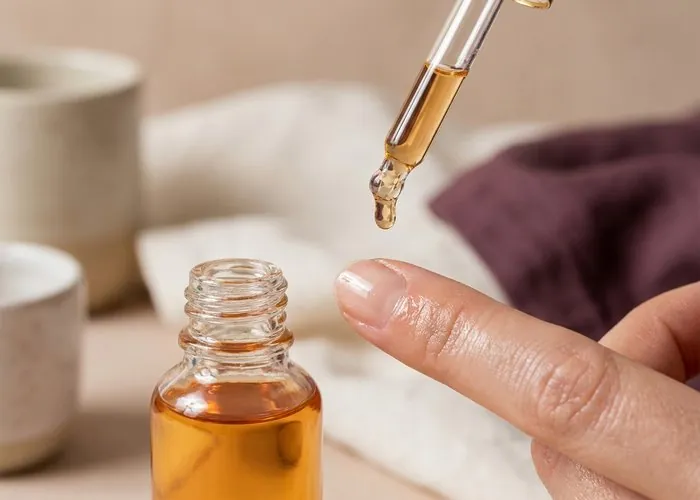
Always use a base coat, take a bare-nail week between polish applications, and keep nails hydrated with oil so the plate is less porous to pigment in the first place.
Save this before your next dark polish manicure.
Found this useful? Save it to Pinterest so you can find it again — and follow Nail Glow Lab for a new guide every few days.
Frequently asked questions
Is yellow nails always a sign of fungus?
No, cosmetic staining from polish is far more common. Fungal infections typically also involve thickening, crumbling, or a change in nail texture, not just color.
How long does it take for stained nails to grow out?
Surface staining can be lifted gradually with soaks, but a fully clear nail from the base takes one full growth cycle, roughly 3 to 6 months.
Does a base coat really prevent staining?
Yes, it's the most effective and simplest prevention step, since it stops pigment from directly contacting the nail plate.
When should yellow nails see a doctor?
If the color change comes with thickening, crumbling, pain, or a smell, or if it doesn't improve after growing out fully without polish.