Cold outdoor air combined with dry indoor heating strips moisture from hands faster than any other season, and nails take the hit first — cracking, hangnails, and splitting all spike in winter. This routine is built specifically for that combination, not a generic year-round one.
Why winter is uniquely hard on nails
Low humidity outdoors and heated, dry air indoors create a moisture deficit from both directions. Nails, which are more porous than people assume, lose flexibility and become brittle far faster in these conditions than in summer humidity.
Switch to a richer oil for the season
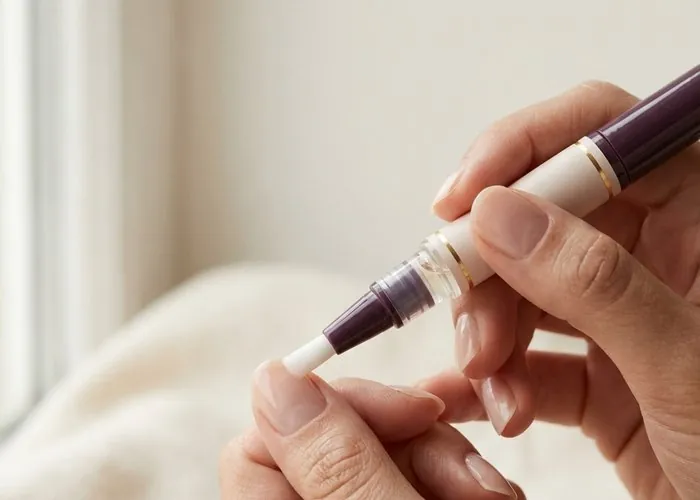
Lightweight, fast-absorbing oils that work fine in summer often aren't enough in winter. A heavier oil — think jojoba or a vitamin E blend — creates more of a barrier against the constant moisture loss.
The barrier method for hand washing
Every hand wash in winter strips a little more moisture. Keep a travel-size hand cream at every sink in the house and apply immediately after drying, while skin is still slightly damp, to lock moisture in rather than let it evaporate.
Humidify the air you're actually in
A small humidifier at your desk or nightstand addresses the root cause — dry air — rather than just treating the symptoms on your hands repeatedly throughout the day.
Dealing with hangnails before they tear
Winter hangnails should be trimmed with a clean, sharp tool the moment they appear — never pulled. Follow immediately with oil. Left alone, they catch on fabric and tear further into the skin, which is where real pain and infection risk start.
Gloves: your most underused tool
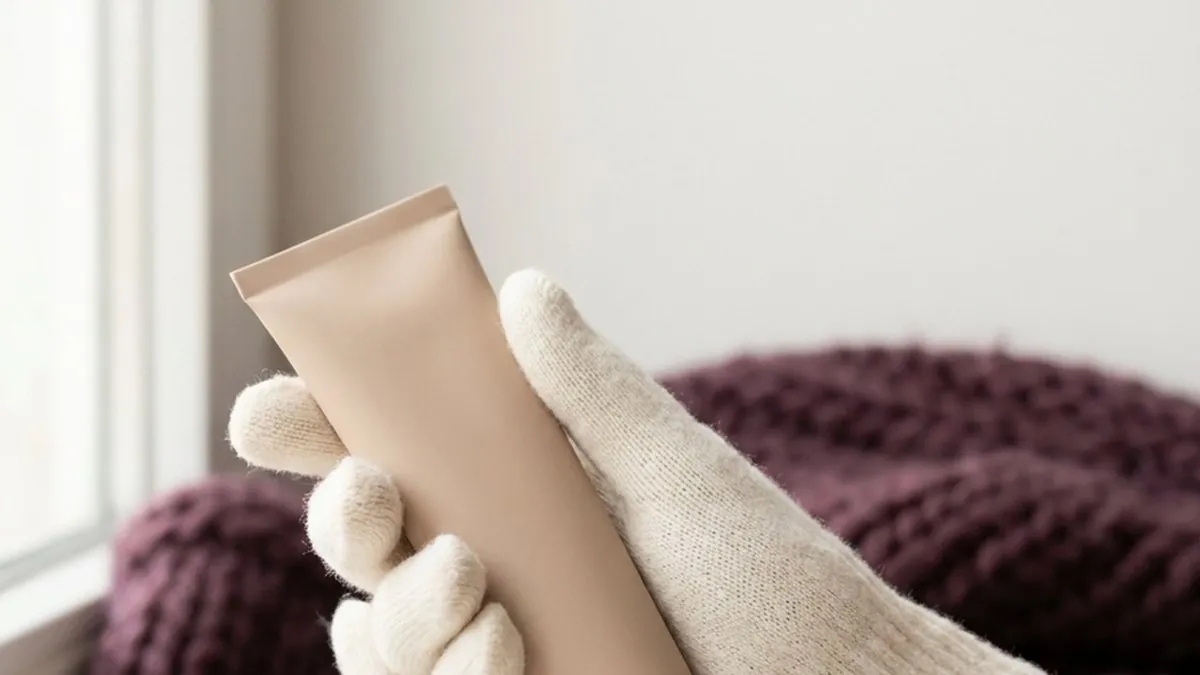
Wearing gloves outdoors is obvious, but the bigger win is wearing thin cotton gloves indoors during the driest weeks, especially overnight. This one change often does more than switching products entirely.
Found this useful? Save it to Pinterest so you can find it again — and follow Nail Glow Lab for a new guide every few days.
Frequently asked questions
Why do my nails crack more in winter specifically?
The combination of cold outdoor air and dry indoor heat pulls moisture out of the nail plate faster than it can be replaced.
Should I stop using hand sanitizer in winter?
You don't need to stop, just follow it with oil or cream — sanitizer's alcohol content is especially drying in already-dry winter air.
Do gel manicures make winter dryness worse?
The removal process can, since acetone soaks strip moisture. If you wear gel in winter, prioritize oiling in the days right after removal.
Is petroleum jelly a good winter option?
Yes, it's an effective sealant for cracked cuticles, though it works best applied over a hydrating oil rather than alone.